Pain Management
Knee Pain Without Surgery: Non-Invasive Treatment Options Explained
August 21, 2026 · 14 min read · By elham
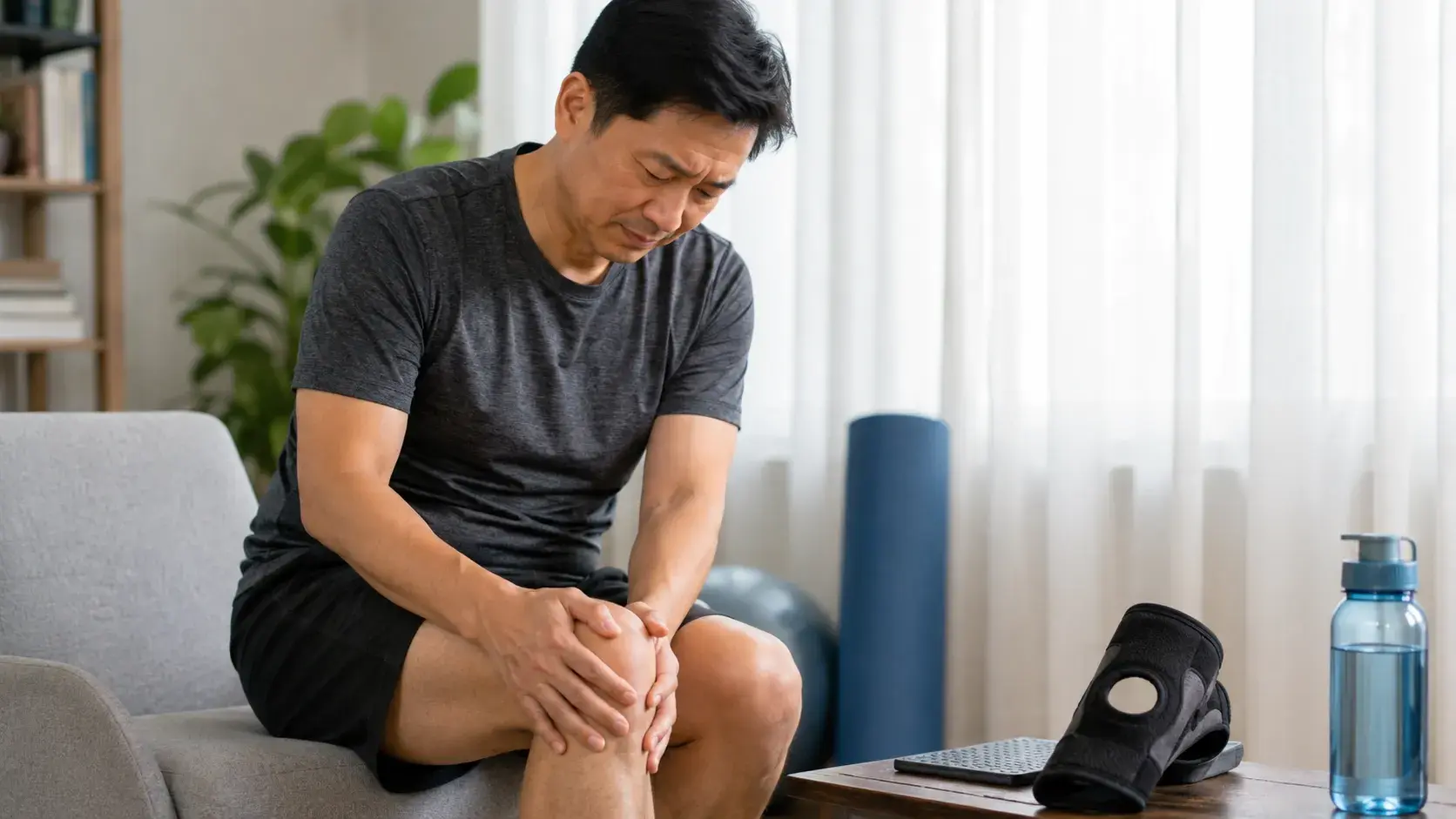
Knee Pain Does Not Automatically Mean Surgery
Knee pain can make everyday life harder. Walking, climbing stairs, standing from a chair, exercising, driving, working, and sleeping can all become uncomfortable when the knee is painful, stiff, swollen, or unstable.
Many people worry that knee pain means they are heading toward surgery. In reality, many causes of knee pain can be managed with non-surgical care, depending on the diagnosis, severity of symptoms, medical history, activity level, and treatment goals.
At Valley Dolor Pain Management, we help patients in Newburgh, NY, the Hudson Valley, and eligible mobile-service areas across New York understand what may be contributing to their pain and what treatment options may be appropriate. Our goal is to provide medically responsible pain management, support mobility and function, and help patients take the next step with clarity.
Request a Knee Pain Evaluation
What Causes Knee Pain?
Knee pain is not one condition. It can come from the joint, cartilage, ligaments, tendons, muscles, nerves, inflammation, prior injury, arthritis, or even pain referred from the back or hip.
Mayo Clinic notes that knee pain may be caused by injuries, mechanical problems, types of arthritis, gout, infections, and other medical conditions.
| Possible Cause | Common Symptom Pattern | Why Evaluation Matters |
| Osteoarthritis | Stiffness, pain with activity, swelling, reduced mobility | Treatment depends on severity, function, and medical history |
| Meniscus injury | Pain with twisting, catching, locking, or swelling | Some injuries may need imaging or orthopedic review |
| Tendon irritation | Pain near the kneecap or tendon, often with activity | Strength, movement patterns, and activity load may contribute |
| Ligament injury | Instability, swelling, pain after twisting or trauma | Acute injuries may require urgent evaluation |
| Patellofemoral pain | Pain around or behind the kneecap, often with stairs or squatting | Often benefits from targeted rehabilitation |
| Bursitis | Local swelling and tenderness | Can overlap with infection or inflammatory conditions |
| Referred pain | Knee-area pain caused by the hip, back, or nerves | Assessment may need to include spine, hip, gait, and sensation |
| Neuropathic pain | Burning, tingling, numbness, or electric pain | Requires a different approach than joint-only pain |
| Infection or inflammatory condition | Warmth, redness, severe swelling, fever | Needs prompt medical assessment |
Why Diagnosis Comes Before Treatment
“Knee pain treatment” is not one treatment. A brace, injection, medication, exercise program, or physical therapy plan may be helpful for one patient but not appropriate for another.
The best next step depends on:
- When the pain started
- Whether there was an injury
- Where the pain is located
- Whether the knee locks, catches, clicks, swells, or gives way
- Whether there is numbness, tingling, burning, or weakness
- Whether pain affects walking, work, sleep, or daily activity
- Prior imaging or treatment history
- Medical conditions and medications
- The patient’s goals and activity level
That is why a clinical evaluation matters before choosing a treatment plan.
When Knee Pain May Need Urgent Care
Most knee pain is not an emergency, but some symptoms should not wait.
Seek urgent medical care if knee pain comes with:
- A major fall, collision, twisting injury, or significant trauma
- A visible deformity
- Inability to bear weight after an injury
- Severe swelling that develops rapidly
- Fever with a hot, red, swollen knee
- A wound, severe bruising, or possible fracture
- Sudden calf swelling, redness, warmth, chest pain, or shortness of breath
- New numbness, weakness, color change, coldness, or loss of circulation in the leg
- Severe pain that is rapidly worsening
Mayo Clinic advises urgent or emergency evaluation when knee pain is caused by major injury and includes symptoms such as deformity, inability to use the joint, intense pain, sudden swelling, or other serious signs.
Emergency Reminder: Valley Dolor is not an emergency department. If you have a medical emergency, call 911 or seek care at the nearest emergency department.
Can Knee Pain Improve Without Surgery?
Yes, many people can improve knee pain and function through non-surgical care. But the right approach depends on the cause.
Non-surgical care does not mean “doing nothing.” It can be a structured, clinician-guided plan designed to reduce pain, improve function, support mobility, and determine whether more advanced care is needed.
Non-surgical knee pain treatment may include:
- Education and self-management
- Activity modification
- Exercise and rehabilitation
- Physical therapy
- Weight management when clinically appropriate
- Medication management
- Bracing or assistive devices
- Ice, heat, compression, and elevation
- Interventional pain procedures
- Knee injections when appropriate
- Referral coordination
Surgery May Still Be Appropriate in Some Cases
Non-surgical care can be helpful, but it is not a guarantee that surgery will never be needed. Surgery may still be appropriate for some patients with severe structural injury, fracture, persistent mechanical locking, significant instability, advanced joint damage, certain tendon or ligament tears, or symptoms that do not respond to appropriate conservative care.
At Valley Dolor, the goal is not to promise that every patient can avoid surgery. The goal is to help patients understand their pain, explore responsible treatment options, and receive the level of care that fits their diagnosis and needs.
Non-Surgical Knee Pain Treatment Options
1. Education and Activity Modification
Understanding what aggravates your knee can help reduce unnecessary irritation. Some patients need to temporarily reduce certain movements during a flare-up or after injury. Others may need help returning to movement safely instead of resting too much.
Activity modification may include:
- Reducing high-impact activities during a flare-up
- Adjusting stairs, squatting, kneeling, or lifting
- Taking movement breaks during long sitting periods
- Changing exercise type or intensity
- Learning safer movement patterns
- Avoiding complete inactivity unless medically advised
The goal is usually not to stop moving forever. The goal is to move in a way that supports healing, reduces irritation, and protects function.
2. Exercise and Physical Therapy
Exercise and physical therapy are often central parts of non-surgical knee pain care. A good plan may target strength, flexibility, balance, walking mechanics, and activity tolerance.
A knee-focused rehab plan may include:
- Quadriceps strengthening
- Hip and glute strengthening
- Hamstring and calf mobility
- Balance training
- Gait and movement retraining
- Low-impact conditioning
- Aquatic exercise when appropriate
- Stairs and sit-to-stand training
- Home exercises matched to the diagnosis
AAOS guidance for knee osteoarthritis supports exercise, including supervised, unsupervised, and aquatic exercise, for improving pain and function compared with no exercise.
Physical therapy may also be helpful when knee pain is connected to hip weakness, poor mechanics, overuse, patellofemoral pain, or recovery after injury.
3. Weight Management When Clinically Appropriate
For some patients, weight management may be one part of a broader knee pain plan. Extra body weight can increase stress on the knee joint, especially in arthritis-related pain.
This should always be discussed respectfully and individually. Knee pain is not always caused by body weight, and weight is only one factor among many. The right plan should consider the patient’s health history, mobility, pain level, and goals.
AAOS recommends sustained weight loss to improve pain and function for patients with knee osteoarthritis who are overweight or obese.
4. Medication Management
Medication may help some patients manage pain, inflammation, or flare-ups while they work on mobility and function. But medication should be selected carefully.
A clinician may discuss:
- Topical anti-inflammatory medication
- Oral anti-inflammatory medication
- Acetaminophen when appropriate
- Short-term symptom management strategies
- Medication risks based on health history
- Drug interactions and contraindications
Medication decisions should consider kidney disease, stomach ulcers, blood pressure, heart disease, bleeding risk, allergies, current medications, and other health conditions.
OARSI’s non-surgical osteoarthritis guidelines strongly recommend topical NSAIDs for knee osteoarthritis, while other treatments depend on the patient’s comorbidity profile and diagnosis.
5. Braces, Supports, and Assistive Devices
Some patients may benefit from external support, especially if pain affects walking, stability, or confidence.
Options may include:
- Knee sleeve
- Hinged knee brace
- Unloader brace for selected arthritis patterns
- Cane
- Walker
- Orthotics
- Shoe modifications
A brace or device should support the treatment plan, not replace evaluation. The right option depends on alignment, stability, strength, activity level, and diagnosis.
6. Ice, Heat, Compression, and Elevation
Simple self-care strategies can help some patients manage symptoms, especially after activity or during flare-ups.
- Ice may help after injury, swelling, or irritation.
- Heat may help stiffness or muscle-related discomfort.
- Compression may help some swelling patterns.
- Elevation may help reduce swelling in some cases.
Mayo Clinic includes rest, ice, heat, compression, and elevation among self-care measures that may help with certain knee symptoms, depending on the cause.
These strategies should not be used as a substitute for medical evaluation after trauma, severe swelling, infection signs, circulation symptoms, or rapidly worsening pain.
Interventional Pain-Management Options for Knee Pain
If knee pain does not improve enough with conservative care, a pain-management specialist may discuss interventional options. These are not appropriate for every patient, and they should be chosen based on diagnosis, medical history, imaging when relevant, and treatment goals.
Depending on the patient, interventional care may include:
- Image-guided injections
- Corticosteroid injections
- Genicular nerve blocks
- Radiofrequency ablation
- Other pain-management procedures
- Referral to orthopedics, physical therapy, rheumatology, neurology, vascular care, or surgery when appropriate
Interventional procedures are not a cure-all. They may be used to reduce pain, support function, or help a patient participate more effectively in rehabilitation. Results vary, and appropriateness depends on the clinical evaluation.
Knee Injections: What Patients Should Know
Knee injections are commonly discussed online, but not every injection is right for every patient.
| Type of Injection | Why It May Be Discussed | Important Limitation |
| Corticosteroid injection | May be considered for short-term symptom relief in selected cases | Not appropriate for every diagnosis or patient; effect and duration vary |
| Hyaluronic acid injection | May be discussed in some settings | Evidence and guideline recommendations vary |
| Biologic or regenerative injections | Often marketed directly to patients | Should not be presented as proven or appropriate without strong evidence and clinician review |
AAOS notes that intra-articular corticosteroids may provide short-term relief for patients with knee osteoarthritis, while hyaluronic acid injections are not recommended for routine use in symptomatic knee osteoarthritis.
At Valley Dolor, injection or procedure discussions should be based on the patient’s diagnosis, health history, safety considerations, and treatment goals. No injection should be presented as a guaranteed way to avoid surgery or permanently eliminate pain.
Which Non-Surgical Treatment Is Right for You?
The right treatment depends on the cause of pain. This table can help explain how different symptom patterns may lead to different next steps.
| Knee Pain Pattern | Possible Next Step |
| Mild pain after overuse | Assessment, activity modification, rehabilitation guidance |
| Arthritis-related stiffness and pain | Exercise, education, medication review, weight management when appropriate, possible interventions |
| Pain after twisting injury | Evaluation for meniscus, ligament, or other injury |
| Knee instability or giving way | Clinical exam and possible imaging or orthopedic referral |
| Pain with numbness or burning | Evaluate potential nerve-related or referred pain |
| Pain with swelling and fever | Urgent medical assessment |
| Pain that limits walking, sleep, or work | Pain-management evaluation and individual care plan |
| Pain not improving with initial care | Reassessment, diagnostics, specialist referral, or interventional options |
If your knee pain is connected to back pain, radiating leg pain, or nerve symptoms, these related Valley Dolor resources may help:
- Sciatica vs. Back Pain
- 7 Signs Your Back Pain Needs More Than Rest and Ice
- Non-Invasive Back Treatments: What Works Before You Consider Surgery
What Happens During a Knee Pain Evaluation at Valley Dolor?
A knee pain evaluation helps identify what may be contributing to symptoms and what next steps may be appropriate.
Step 1: Review Symptoms and History
Your provider may ask about:
- When the pain started
- Whether there was an injury
- Where the pain is located
- Whether the knee locks, catches, clicks, swells, or gives way
- Whether pain affects walking, stairs, work, or sleep
- Prior imaging
- Previous physical therapy, medications, injections, or surgeries
- Current medications and medical history
- Your treatment goals
Step 2: Physical Assessment
A clinician may assess:
- Knee movement
- Strength
- Stability
- Swelling
- Tenderness
- Walking pattern
- Hip and back contribution
- Nerve symptoms
- Functional limitations
Because knee pain can sometimes be referred from the back, hip, or nerves, evaluation may include more than the knee alone.
Step 3: Individualized Care Plan
After evaluation, your care plan may include:
- Conservative care plan
- Physical therapy referral
- Medication review
- Imaging or diagnostic referral
- Interventional procedure discussion when appropriate
- Orthopedic or surgical referral when needed
- Follow-up monitoring
Valley Dolor’s role is to provide structured, medically responsible pain management. Treatment recommendations depend on diagnosis, symptoms, medical history, safety needs, and patient goals.
Call Valley Dolor: 845-670-4844
Knee Pain Treatment Without Surgery: Expectations and Limits
What Non-Surgical Care May Aim to Improve
A non-surgical knee pain plan may aim to support:
- Pain management
- Mobility
- Walking tolerance
- Sleep
- Ability to work
- Stairs and daily movement
- Participation in physical therapy
- Confidence with movement
- Quality of life
What Non-Surgical Care Cannot Promise
Non-surgical care should not be marketed as a guaranteed cure.
It cannot promise:
- Immediate relief
- Permanent pain elimination
- Cartilage regrowth
- Guaranteed avoidance of surgery
- The same result for every patient
- A specific outcome from an injection or procedure
Why Follow-Up Matters
Knee pain can change. A plan may need to be adjusted over time based on symptoms, response to care, function, mobility, sleep, and quality of life.
Follow-up helps your provider understand whether treatment is helping, whether symptoms are changing, and whether the next step should involve rehab, imaging, medication adjustment, interventional care, or referral.
How to Prepare for Your Knee Pain Appointment
Bring as much relevant information as possible so your provider can understand the full picture.
Helpful items include:
- Medication list
- Allergy list
- Previous imaging reports or discs
- Previous operative reports if relevant
- Past treatment records
- Notes about swelling, locking, instability, or injury
- Insurance information
- Questions about treatment options
- Goals such as walking, stairs, work, sport, sleep, or daily activity
Questions to Ask Your Clinician
- What may be causing my knee pain?
- Do I need imaging or a referral?
- Are there urgent concerns in my symptoms?
- Which non-surgical options may be appropriate?
- Would physical therapy help my condition?
- Is a brace or assistive device appropriate?
- Are medications safe with my other health conditions?
- Could an injection or interventional procedure be appropriate?
- When should I consider orthopedic or surgical consultation?
- What symptoms should make me seek urgent care?
Related Pain Conditions and Helpful Resources
Knee pain can overlap with back pain, leg pain, arthritis, nerve pain, and posture-related symptoms. These Valley Dolor resources can help patients better understand connected pain patterns:
| Concern | Helpful Resource |
| Back pain before considering surgery | Non-Invasive Back Treatments: What Works Before You Consider Surgery |
| Desk posture, neck pain, and upper-body strain | Neck Pain at Your Desk: Causes, Prevention, and Treatment |
| Arthritis and joint flare-ups | Arthritis and Joint Pain: Non-Surgical Ways to Manage Flare-Ups |
| Back pain that is not improving | 7 Signs Your Back Pain Needs More Than Rest and Ice |
| Sciatica vs. regular back pain | Sciatica vs. Back Pain |
| Start care at Valley Dolor | Feeling Better Is Within Your Reach |
Valley Dolor’s Newburgh Clinic and Mobile Service Across New York
Valley Dolor is based in Newburgh, NY, serving patients throughout the Hudson Valley. Patients may visit the Newburgh clinic for evaluation, care planning, and ongoing pain management.
For eligible patients, Valley Dolor also offers mobile service across New York. Availability may depend on location, medical need, referral status, provider guidance, and appointment type.
Because pain management is medical care, every treatment plan should be appropriate for the patient’s condition, safety needs, and medical history.
Frequently Asked Questions About Knee Pain Without Surgery
Can knee pain heal without surgery?
Many causes of knee pain can improve with non-surgical care, but it depends on the diagnosis, severity, injury type, function, and response to treatment. Some injuries or advanced conditions may still require orthopedic or surgical evaluation.
What is the best treatment for knee pain without surgery?
There is no single best treatment for every patient. A plan may include exercise, physical therapy, activity modification, medication, bracing, injections, or other approaches depending on the cause of pain and the patient’s health history.
Can a pain-management doctor treat knee pain?
Yes. A pain-management specialist can evaluate pain patterns, review prior treatment, coordinate conservative care, discuss appropriate interventions, and refer to other specialists when needed.
When should I see a doctor for knee pain?
You should seek evaluation for persistent, worsening, severe, unstable, swollen, numb, weak, or function-limiting knee pain. You should seek urgent care sooner after major injury, inability to bear weight, fever with a hot swollen joint, or sudden swelling.
Are knee injections a replacement for surgery?
No. Knee injections may be considered for selected patients, but they do not replace clinical evaluation or guarantee avoidance of surgery. Their role depends on diagnosis, symptoms, medical history, and treatment goals.
Do corticosteroid injections help knee pain?
Corticosteroid injections may provide short-term relief for some people with knee osteoarthritis, but they are not right for every patient. Appropriateness and risks should be discussed with a clinician.
Does hyaluronic acid help knee osteoarthritis?
Evidence and recommendations vary. AAOS does not recommend hyaluronic acid injections for routine treatment of symptomatic knee osteoarthritis.
Can physical therapy help knee pain?
Yes, physical therapy and exercise may help improve pain and function for many knee conditions, especially when the program is matched to the diagnosis, capacity, and goals.
Should I use ice or heat for knee pain?
Ice may help after injury or swelling, while heat may help some people with stiffness. The best option depends on the cause of pain. Seek evaluation if pain follows trauma, worsens quickly, or comes with swelling, fever, redness, or inability to bear weight.
Can back pain or sciatica cause knee pain?
Yes. Some knee-area pain may be referred from the hip, back, or nerves. A full evaluation may include the spine, hip, gait, strength, sensation, and movement patterns.
Medical Review and Evidence Policy
This article should be updated when:
- Valley Dolor adds or changes knee-pain services
- Mobile service availability changes
- Procedure availability changes
- Clinical guidance changes
- The medical reviewer changes
- Clinic emergency instructions change
- New high-quality evidence affects injection or treatment claims
Knee Pain Is Not Something You Have to Ignore
Knee pain can affect your mobility, independence, work, sleep, and quality of life. But surgery is not always the first or only option.
A knee pain evaluation can help identify likely contributors to your symptoms and determine whether non-surgical care, physical therapy, medication management, interventional options, imaging, or referral may be appropriate.
At Valley Dolor Pain Management, we help patients in Newburgh, NY, the Hudson Valley, and eligible mobile-service areas across New York explore medically responsible next steps for knee pain and related pain conditions.
Request a Knee Pain Evaluation
Speak With a Pain Specialist
Call Valley Dolor: 845-670-4844
If your knee pain follows major trauma, comes with fever and a hot swollen joint, causes inability to bear weight, or includes sudden leg swelling, chest pain, shortness of breath, numbness, weakness, or circulation changes, seek urgent medical care.